
Journal 5 min read
5 mistakes that ruin a perfect event
No event fails because of bad weather or because of the flowers. It fails because of decisions that seemed trivial at the time they were made.
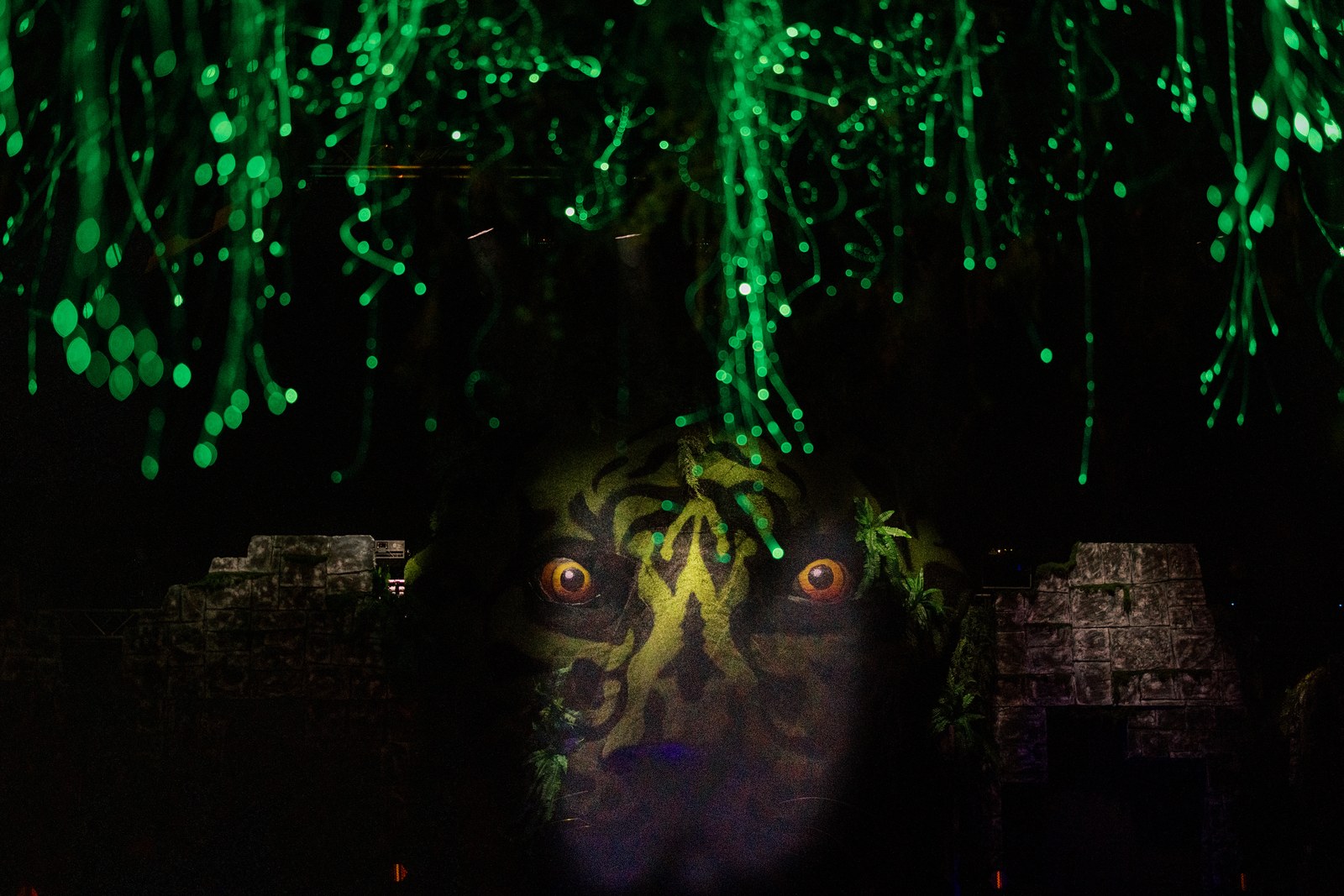
There are celebrations with a generous budget, a stunning venue and all the right suppliers, which, even so, fail to leave a lasting impression. The guests leave satisfied and nobody ever mentions it again. It didn't go wrong, it's just that nothing happened. Nothing special.
After producing over 20 years of events, we've learnt that problems tend to recur. And that almost all of them can be avoided weeks in advance. Here are the five most common mistakes made when organising events, and how to avoid them.
1. Choosing the venue before having a concept
It is the most common mistake and the most expensive one, because it conditions everything that follows. The venue is chosen because it is beautiful, because it is free on the date or because someone recommended it, and only later does anyone find that the ceiling is too low for an aerial performance, noise restrictions at 11 pm, or a dining room that forces guests to be split into two groups that will never meet.
The correct order is the reverse: first you decide what kind of experience you want to create, then you look for a space that allows for it. A blank space with the right conditions makes for better evenings than a palace with hidden limitations.
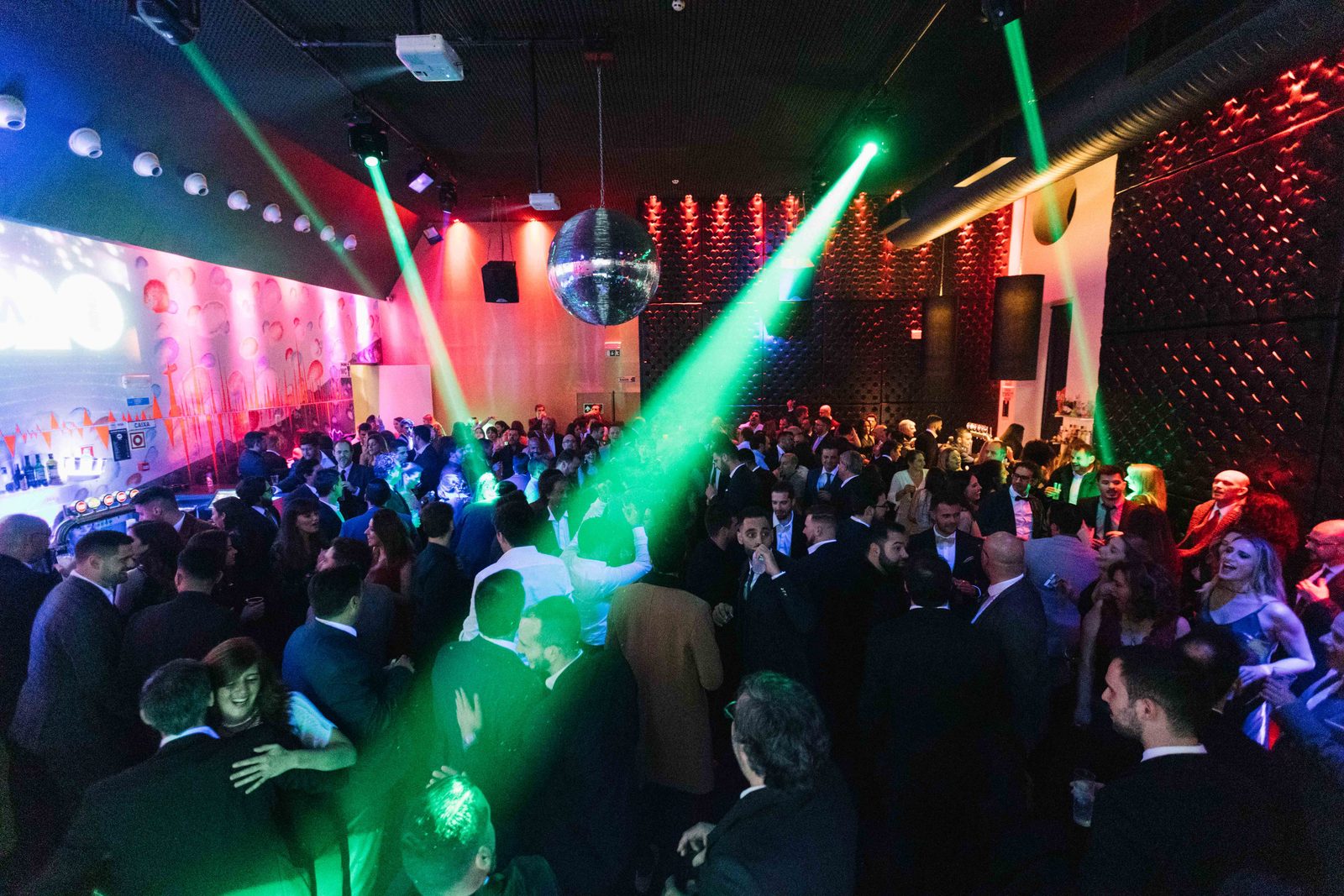
2. Booking piece by piece, with no creative direction
The band was chosen on the recommendation of a friend. We hired the decorators who'd previously worked on my sister's wedding. The performance was shown in a video. Individually, they're all good. Together, they're nothing special.
An event with a distinct identity has a central theme that runs through everything: the colour scheme, the sound, the rhythm, the performers' costumes, the type of flowers, the lighting. Without this theme, the result is merely a collection of competent suppliers. And that doesn't move people.
If we think of an orchestra, it cannot function unless everything is perfectly co-ordinated, planned and rehearsed. The same applies to events.
It was precisely to solve this that Xclusive brought shows, entertainment, set design and music together under the same artistic direction, rather than treating them as separate budgets.
3. Leaving the choice of music to the last minute
Music is the element that has the greatest influence on the atmosphere in the room and, curiously enough, the one that is most often decided on at the last minute. The result is all too familiar: a dinner that's far too quiet, an abrupt transition to the dance floor, or a set list that fails to connect with the audience in the room.
A well-structured evening has a sound arc that is carefully crafted from start to finish: welcome, ceremony, dinner, transition, dance floor. Each of these stages calls for a different line-up, volume and intention. Anyone who treats the music as 'who's playing' rather than 'what the room will experience at every stage' is wasting the most powerful tool at their disposal.
Of course, there's always room for favourite songs, especially at weddings, because they carry with them stories and emotion, but the way they are presented makes all the difference.

4. Overloading the programme
When hiring independent suppliers, the client is pressured into buying more and more (and more!) entertainment and performances. There is a temptation to pack the evening full: speeches, videos, three surprises, prize draws, award presentations, yet another act. The programme looks impressive on paper. In the room, however, it's exhausting.
Every additional moment detracts from the impact of the one before it. A memorable evening has two or three peaks and plenty of space between them for people to chat, dance and breathe, because it is in that space that guests create the memories they later associate with the event.
Cutting a scene is a production decision, not a budgetary one. And it is almost always the most difficult decision to persuade a client to make.
5. Not having a proper plan B
A Plan B isn't just saying, 'If it rains, we'll move indoors.' It means having an alternative that has been planned out, budgeted for, with its own plans, a reviewed technical specification and a defined deadline for implementing the decision.
The same applies to an artist who falls ill, a generator that breaks down, or traffic that delays the set-up. The difference between an experienced team and one caught off guard is not in avoiding unforeseen events, but in having already decided what to do about them before they happen.

The common denominator
Notice what these five mistakes have in common: none of them is about money, quite the opposite. They are all about sequence and decision.
Those who start with the concept, work with a creative director, design the sound from start to finish, resist the temptation to overfill the programme and come up with realistic alternatives end up with better events than those who spend more but make poorer decisions.
And, in the end, that's what the guests realise, even if they can't quite explain why. And if you want to know why, talk to us.